
Buy AutoTrafficRSS script now for $27 only!
We will send the script to your PayPal email within few hours,Please add FullContentRSS@gmail.com to your email contact.Source: How to Find Your #Blogging Niche with #WordPress
Buy AutoTrafficRSS script now for $27 only!
We will send the script to your PayPal email within few hours,Please add FullContentRSS@gmail.com to your email contact.
Note: This is a guest post written by Blake Davis
If you're looking to start your own blog, it can be difficult to determine which blogging platform you should use for it. While the final choice may depend on your needs, there are a couple of platforms out there that are a head above the competition, so you should consider choosing one of them for their many pros.
In this guide we'll cover some of the best blogging platforms by going through their pros and cons, all in order to help you decide which one fits you the best.
WordPress.com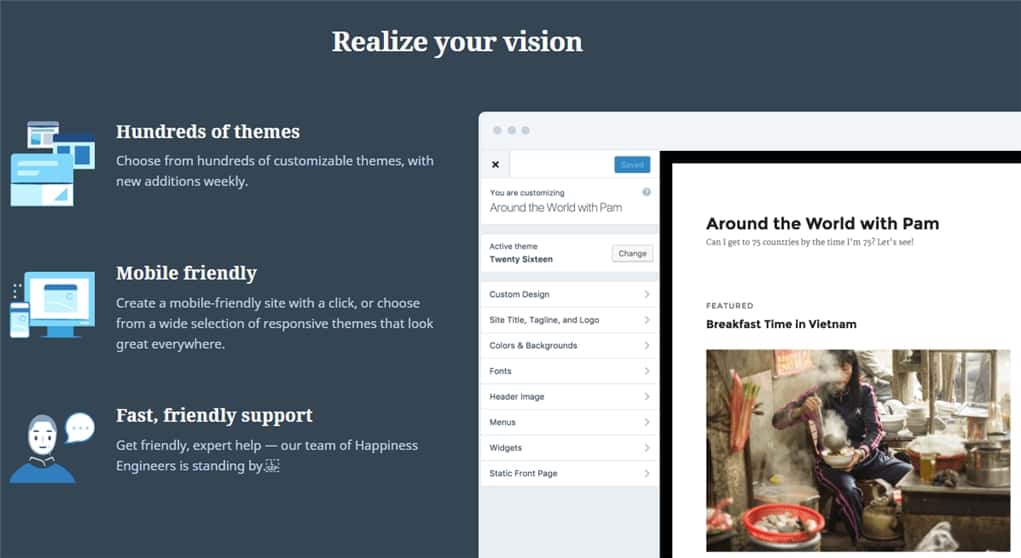
As a hosted version of WordPress, this platform will let you just sign up online and start running your blog really quickly and for free. It contains all of the essentials of self-hosted WordPress but doesn't let you customize your website as much.
Another problem with this platform is that WordPress will essentially be the owners of your blog, and as such, they'll place their own ads on it.
However, the free version is great for hobby bloggers and influencers, not so much for professional blogging.
WordPress.org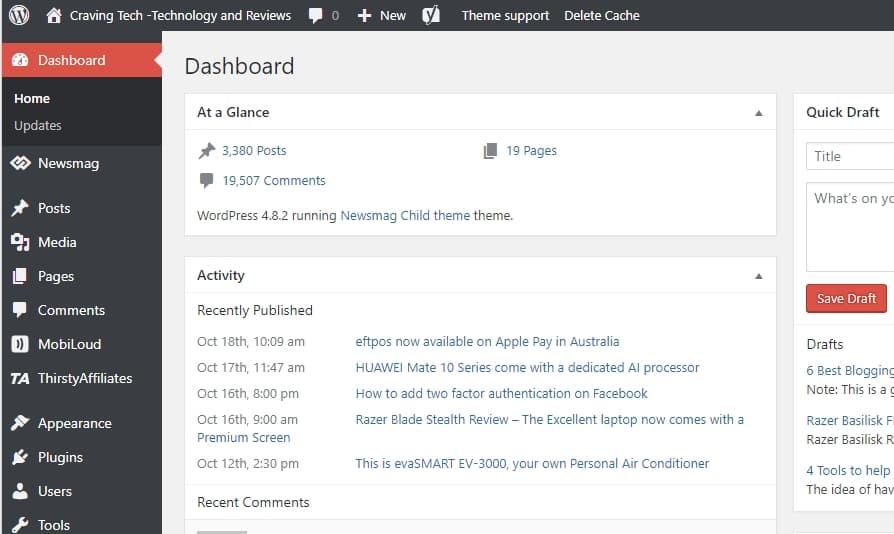
WordPress is by far the most popular platform for bloggers, and there are many reasons why that is so. It's an open source platform, which means it's completely free to use, all while being extremely beginner friendly.
Of all the platforms in this guide, WordPress is absolutely the best for beginners and you should look no further if you're just starting your blog for the first time.
There are tons of WordPress plugins you can include on your blog to make things easier for you from caching and image optimization to SEO, WordPress has everything covered. On the bad side, no hosting is included in the package, and you'll have to pay separately for a custom domain, which basically means paying for both.
Joomla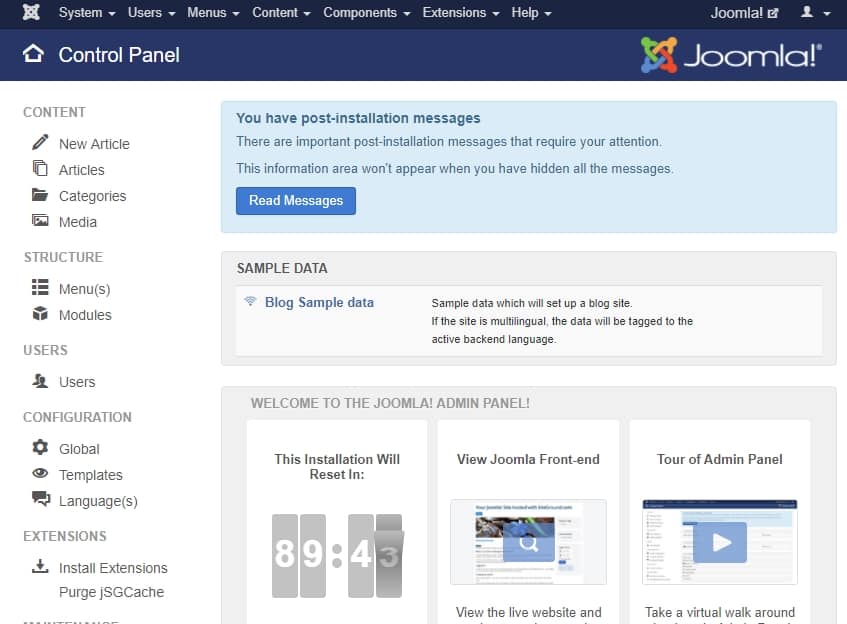
This is an open-source CMS (Content Management System) just like WordPress.org, which means you'll have to pay for your domain name and hosting services separately. However, it's an extremely powerful platform mostly used by advanced bloggers.
You can easily customize your templates and add as many extensions as you like. Keep in mind that there aren't nearly as many users of Joomla, so don't expect the same number of add-ons and themes as on WordPress.
Tumblr
This platform is different to what you'd expect from a traditional blogging platform. It has social media features integrated into the platform, so that makes it easier to get new visitors. It's very beginner friendly and completely free, so it's a great choice for anyone looking to do some hobby blogging.
On the bad side, Tumblr is very limited and as such isn't a great option for any blog looking for traffic-based revenue.
Squarespace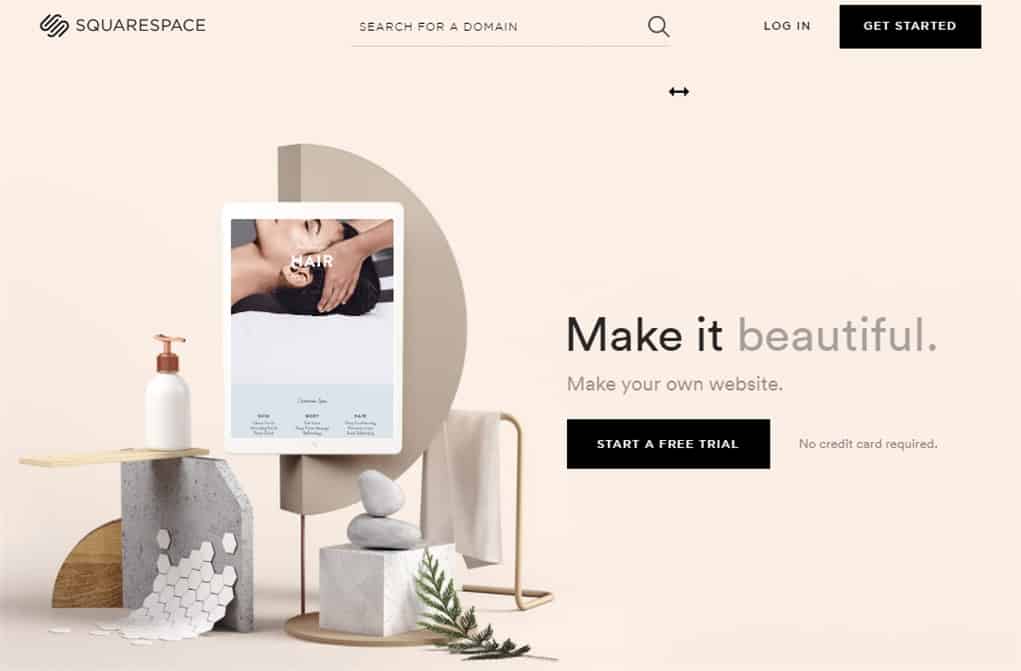
Squarespace is among the top contenders as the number one website building solution. You pay for the subscription, but get hosting services and a domain name with it, so it could be a better o.
It's very easy to set-up with no design skills required and even easier to publish content once you start your blog. The only downside to Squarespace is that you're paying for it, so it's only viable for people who are looking to earn money with their blog.
Blogger
This free blogging platform is one of the oldest on this list. It is owned by Google, which acquired it in 2003. The biggest advantage of Blogger is that it is completely fr8ee.
However, compared to the rest there are some serious drawbacks. First one is the limited availability of themes/designs. It's got some, but not as nearly as its competitors. Second, adding new features to the blog is also very limited and if you plan to grow your blog beyond a hobby, Blogger might not be the right solution.
Final WordsBlogging has only gained popularity in the recent years, which means more and more platforms are showing up. Diversity can be a good thing, but it can also be very confusing, especially for people who are just looking to start their blog for the first time.
This guide will help you narrow down the choice of platforms for your blog, with some clear pros and cons for each of the platforms mentioned.
The rest is up to you – choose the one that best suits your needs.

Buy AutoTrafficRSS script now for $27 only!
We will send the script to your PayPal email within few hours,Please add FullContentRSS@gmail.com to your email contact.
Buy AutoTrafficRSS script now for $27 only!
We will send the script to your PayPal email within few hours,Please add FullContentRSS@gmail.com to your email contact.Looking for an easy way to connect with authors online? While you can connect for free via Skype in the Classroom, you may also wish to engage an author at large via author chats. The author can then participate with your class in a book study. Or, if you are dealing with a long-dead author, find someone to impersonate that author and conduct regular interactions with your class. In this two-part blog series, you'll find several tips on how to proceed.
TIP #1 – Take advantage of the Socratic Seminar or Fishbowl ApproachSocratic Seminar (a.k.a. "fishbowl") may be an approach you are familiar with. If not, here is a quick overview of key elements:
In Socratic Seminar, you are going to divide your class into two groups. Here are the first two steps of the Socratic Seminar process (we will cover the final two further down in the blog entry).
1) The first group forms the inner circle. The second group forms the outer circle.
2) The inner circle members directions are pretty straightforward. Students are handed a piece of paper and asked to jot down some notes and questions they might have regarding the article/story read for class. They will share one of the questions or statements they have written with the whole group.
Outer circle members are also given another instruction: watch a specific partner and complete the following tally sheet for them.
The purpose of this is to keep them engaged and listening. I have found this to be particularly true since it enables the student to focus on one person, even as he listens to the discussion. For example, students are watching out for the following to occur:
Apparently, these individual pages–whether for inner/outer circle–can also be collected for grading purposes.
Getting Ready for Socratic SeminarPrior to Socratic Seminar, you can prepare student groups to review the text. For example, you can assign different activities to each small group. Some of these activities included the following with these directions:
After everyone in both circles knows their job, you are ready to begin. Let's continue stepping through the Socratic Seminar process.
3) Each inner circle member shares their question/statement. The facilitator then asks one of the individuals to elaborate on what they said. Again, the choice is up to the facilitator as to who to start with. And then, the discussion begins.
4) After a specified time, the facilitator ends the discussion. She then invites the outer circle to provide feedback to the particular inner circle member they were partnered with. The facilitator is sure to cut short any feedback that does not specifically relate to the Observation Form.
To Be ContinuedIn part 2 of this two part blog entry, we will explore tips two and three to blogging author chats.
Join Our Email ListJoin our email list to ensure the hottest new content gets delivered to your inbox.
Leave a commentcomments

Buy AutoTrafficRSS script now for $27 only!
We will send the script to your PayPal email within few hours,Please add FullContentRSS@gmail.com to your email contact.Guest blogging is one of the best online marketing strategies you can invest in.
If you want to spread your brand's message and win the trust of your target audience, start contributing content to other blogs related to your market or niche.
Not convinced you should work hard writing content for someone else's site?
You should know that guest blogging offers many major benefits – both for your company and you, personally.
Here are the top 11 benefits of guest blogging.
1. Instant Exposure to Targeted TrafficRegardless if you whether you get a link to your site, contributing to other blogs should pique your audience's interest. If you manage to write a top-quality post, expect traffic to start flowing to your site once it goes live.
Traffic is the lifeblood of any online business or blog. Something as simple as a guest post can potentially translate into sales if you do it the right way.
Optimize your website's landing pages, CTAs, and other elements to boost your chances at conversion.
2. Expand Your Personal NetworkThere was a time when connecting with influencers was extremely difficult. But with guest blogging, the process is now simple.
For example, some websites that accept guest posts foster a community of contributors engaged in related niches. In some cases, you'll get the chance to take part in an email thread where contributors brainstorm potential topics. You can also collaborate with others for co-authored posts.
Regardless of what the community's structure in a particular site is, you can always leverage your authorship. Seek partnership opportunities with influencers – from content cross-promotion to expert interviews.
All you need to do is be active in the community. Leave comments, share other posts, or cold-email your prospects. If possible, you can even invite influencers as contributors to your own blog.
3. Stimulate Social Media SharesGenerating social media shares is one way to exponentially extend your online reach. The more shares your branded content gets, the more shareworthy it'll be in the eyes of your audience.
If you're submitting a guest post to a blog with plenty of social media activity, then shares should come naturally once your content gets published.
To get the ball rolling faster, consider embedding highly shareable content in your guest post. Infographics, for example, can help you get 3x more engagement in social media than any other type of content.
4. Grow Your Social Media FollowingGuest blogging not only increases the amount of social media shares to your content, it can also boost your follower count and accelerate your lead generation efforts.
By contributing to an authoritative blog, you are essentially getting them to vouch for your brand. This makes you look good in the eyes of their followers.
In most guest blogging arrangements, you also get to customize your contributor profile. Here you can include links to your social media accounts.
All these benefits will make it easier to win your target audience's trust and turn them into active social media followers. Remember to reward them by posting regular updates and sharing useful information that aligns with their interests.
5. Improve Your Online AuthorityModern online marketing is all about authority. Even with the best content in the world, it'll be difficult to convert your audience into loyal subscribers or paying customers if they don't trust your brand.
By contributing to other authoritative blogs, you get the chance to prove your credibility as an information source. It will make your target audience realize that you're someone who's recognized by trustworthy brands. And as a result, they'll be more receptive to any value proposition you may present in your own site.
6. Fortify Your Backlink ProfileMost blogs that accept guest posts allow their contributors to leave at least one link to their own site. After all, most of them don't offer any monetary compensation for your hard work. A brief brand mention or keyword-optimized link is the least they could do to reward your efforts.
Still, even a single backlink from an authoritative blog will greatly benefit your SEO. They make your content more discoverable and indexable to search engines like Google. As much as possible, try to target websites in your own niche to build relevancy.
7. Grow Brand AwarenessGuest blogging is a great way to establish your authority in your niche.
As much as possible, try to share practical tips that aren't already found elsewhere.
Leverage the opportunity to let them know what your company does and how it would solve problems.
Also, be sure to instill your brand's voice into every single post you submit. This will make your personal brand more recognizable regardless of where you submit guest posts.
Some popular bloggers, such as Larry Kim, use a conversational and humorous approach to engage readers. They also avoid writing fluff while keeping sentences short and easy to read.
8. Generate Qualified LeadsOne of the fundamental steps to a successful guest blogging strategy is picking the right websites.
In addition to niche relevancy, you also need to look for sites that already have a steady stream of traffic. This will help you connect with people who are already interested in what you offer as a business.
Always emphasize an actionable step when developing the page that you're bringing traffic to. It should be related to the guest post you've submitted to the other blog. Otherwise, your link is nothing more than a disruption in your audience's journey — a waste of time for them and a lost lead for you.
9. Shorten the Sales CycleThe sales funnel has always been a challenge for content marketers. By distributing content through popular blogs, you are immediately building your target audience's familiarity with your brand. Thus, you are shortening the sales cycle for your products and services.
Think of it this way: rather than waiting for potential leads to come to your site, you can introduce your brand's value propositions in your guest posts.
You just need to be smart when picking or pitching topic ideas for your guest posts.
10. Get Useful Feedback from the CommunityAs a guest blogger, another advantage of being active in the community is that you get to receive insightful feedback from other contributors.
When you talk about strategies, for example, other experts may tune in to share their own ideas through the comments section. As a result, you can further develop or refine your strategy with their suggestions in mind.
To invite contributors to comment, try adding a call-to-action in the conclusion paragraph. You can refer to the end of this post to see how it works.
11. Sharpen Your Content Marketing SkillsGuest blogging requires every area of content marketing to be successful. It requires you to do content research, adopt the right writing voice for a particular audience, perform influencer outreach, and so on.
Remember, the best way to learn content marketing tactics is to deploy them yourself. You can't just read about them, follow everything to the letter, and hope for the best.
By launching your own guest blogging campaign, you're positioning yourself for growth in every facet of content marketing.
ConclusionGuest blogging is, without a doubt, a crucial step for online marketing success. Once you grasp its benefits, give it a shot and see if you can make it work for your brand.
More Guest Blogging Resources Here:
